Welche 5 unerwarteten Vorteile bietet ein Spielhaus für die kindliche Entwicklung?
When parents consider adding a cubby house to their backyard, the obvious benefits—like encouraging outdoor play and providing fun—are often top of mind. However, the humble outdoor cubby house offers far more than simple entertainment. Beyond being a charming garden feature, a well-designed childrens cubby house operates as a sophisticated developmental tool, fostering growth in surprising and profound ways. Let’s explore five unexpected benefits that a wooden cubby house or any quality outdoor cubby can deliver for your child’s development.
1. Cultivates Executive Function Through "Micro-Management"
One of the most significant yet overlooked benefits is how a cubby house becomes a training ground for executive function—the mental skills that include working memory, flexible thinking, and self-control. Within their private domain, children naturally engage in complex planning and organization. They decide how to arrange their space, establish rules for entry and use, and manage "resources" (like toys or imagined treasures). This act of micro-managing their own environment strengthens cognitive flexibility, problem-solving, and inhibitory control as they learn to adjust plans when play scenarios evolve. Unlike structured games, the open-ended nature of a cubby house requires constant, self-generated decision-making.
2. Enhances Language and Narrative Complexity
The wooden cubby house is more than a play structure; it’s a stage for elaborate storytelling. As children invent scenarios—from pirate adventures to intergalactic missions—they practice and expand their language skills in context. They assign roles, negotiate plot points, and describe imaginary settings, which enriches vocabulary, syntactic complexity, and conversational turn-taking. This narrative play is foundational for literacy development, as it mirrors the structure of stories with beginnings, conflicts, and resolutions, all crafted organically by the child.
3. Promotes Proprioceptive and Vestibular Development
An outdoor cubby house naturally encourages physical play that goes beyond running and jumping. Activities like moving lightweight furniture inside, rearranging items, crawling through tunnels or low doors, and navigating small windows or ladders provide essential proprioceptive input (awareness of body position and force) and vestibular stimulation (related to balance and spatial orientation). This sensory-motor integration is crucial for body awareness, coordination, and even emotional regulation, helping children understand their physical boundaries in a safe, enclosed space.
4. Fosters Emotional Regulation and a Sense of Agency
A childrens cubby house often serves as a child’s first truly autonomous space—a sanctuary they control. This ownership is powerfully beneficial for emotional development. It becomes a retreat where they can process feelings, practice independence, and experience mastery over their environment. The ability to withdraw into their own cubby house Ruhephasen oder die Möglichkeit, soziale Interaktionen nach ihren eigenen Vorstellungen zu gestalten, helfen Kindern, emotionale Widerstandsfähigkeit und Selbstregulationsfähigkeiten zu entwickeln. Es ist ein sicherer Ort, an dem sie lernen, sowohl mit Alleinsein als auch mit Geselligkeit umzugehen.
5. Vermittelt grundlegende Prinzipien der Nachhaltigkeit und des verantwortungsvollen Umgangs mit Ressourcen
Wenn ein Spielhaus Hergestellt aus natürlichen Materialien wie Holz oder mit Elementen wie einem kleinen Pflanzkasten ausgestattet, bietet es eine haptische Einführung in ökologische Konzepte. Kinder lernen aus erster Hand etwas über Verwitterung, den Lebenszyklus von Pflanzen (wenn sie in der Nähe gärtnern) und die Wichtigkeit der Pflege ihrer Konstruktion. Dies fördert frühzeitig ein Bewusstsein für Nachhaltigkeit. Umweltschutz und Verantwortung. Aufrechterhaltung ihrer Außenspielhaus—sei es durch das Ausfegen oder durch das Auftragen eines ungiftigen Versiegelungsmittels — lehrt Respekt vor Ressourcen und den Wert der Erhaltung ihrer Besitztümer und führt zu umfassenderen Lektionen über Nachhaltigkeit.
Der Wert eines Spielhaus Es reicht weit über seine vier Wände hinaus. Es ist ein dynamisches Umfeld, das unauffällig wichtige Lebenskompetenzen fördert – von kognitiven und sprachlichen Fähigkeiten bis hin zu emotionaler Intelligenz und körperlicher Koordination. Ob Sie sich für ein klassisches hölzernes Spielhaus oder ein modernes Spielhaus im FreienSie investieren in ein vielseitiges Werkzeug, das die ganzheitliche Entwicklung Ihres Kindes auf unerwartet vielfältige Weise unterstützt. Indem es einen eigenen Raum für Fantasie, Selbstständigkeit und Erkundung bietet, Spielhaus für Kinder erweist sich nicht nur als Accessoire für den Garten, sondern als grundlegendes Element bei der Förderung fähiger, kreativer und emotional ausgeglichener junger Menschen.
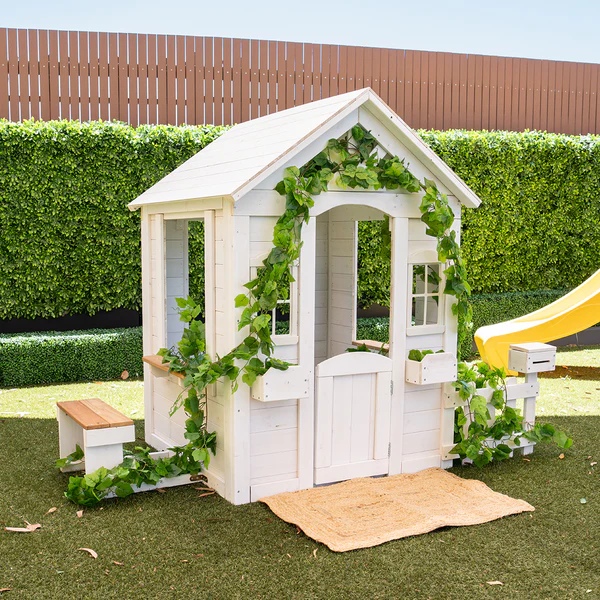
Außenspielhaus
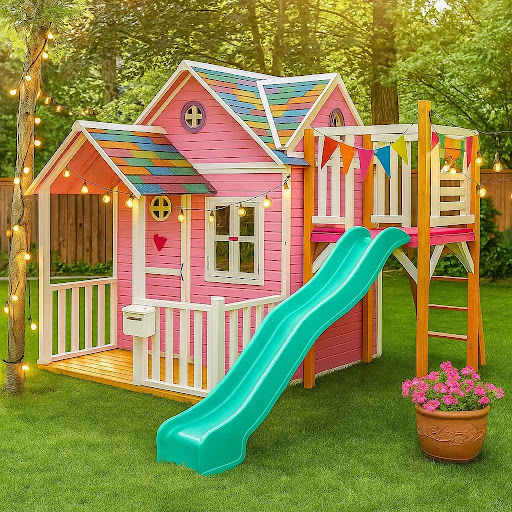
hölzernes Spielhaus
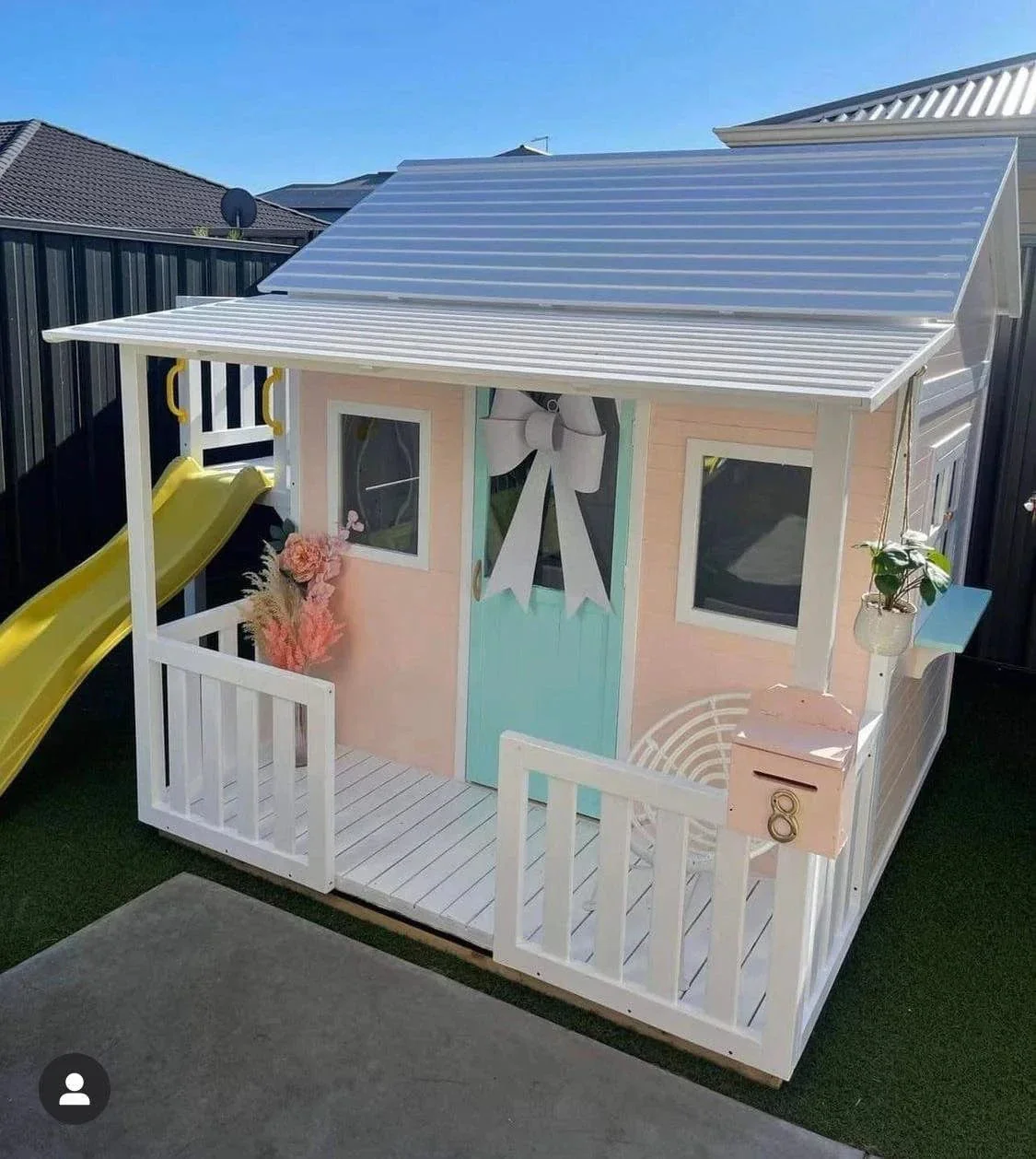
Spielhaus im Freien
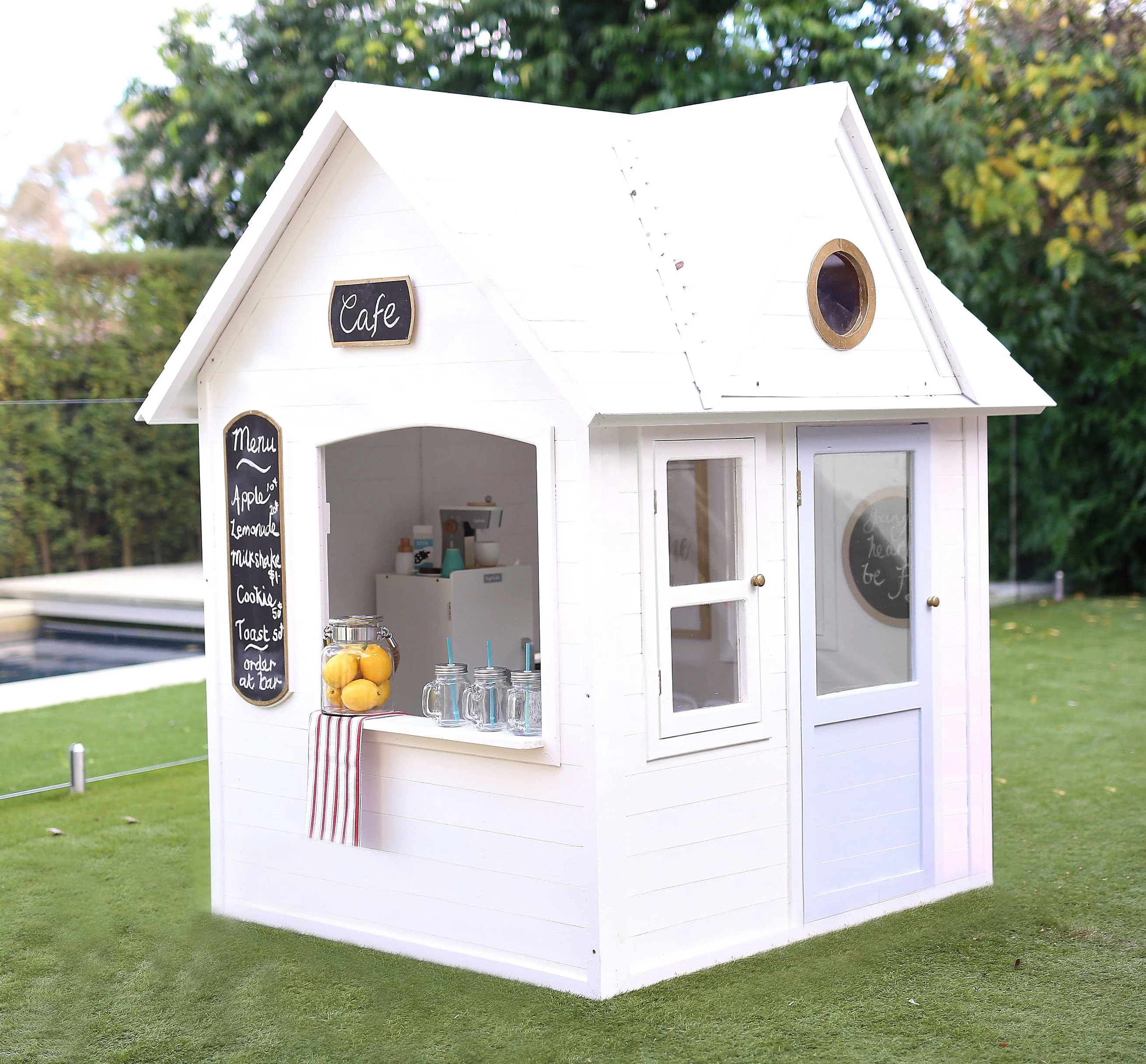
Spielhaus für Kinder